Top Techniques and Tools Used in Metal Cutting Today
The manufacturing industry relies heavily on the ability to shape, manipulate, and refine various materials to create the essential components we use every single day. Within this broad spectrum of manufacturing processes, there is a specialized focus on transforming rigid materials into precise shapes. The techniques and tools used in metal cutting today have evolved from rudimentary manual practices to highly sophisticated operations driven by advanced computer software and innovative machinery. This evolution ensures that intricate designs can be achieved with remarkable precision and minimal waste. According to Zippia, more than 73,315 metal fabricators are currently employed in the United States. These professionals utilize specialized equipment to meet demands across sectors like automotive, aerospace, architecture, and consumer goods. Understanding these different methods provides valuable insight into how everyday products are brought to life. As technology advances, the landscape of fabrication shifts, introducing more efficient and versatile ways to process materials. By examining standard practices, businesses and consumers alike can appreciate the engineering that goes into modern fabrication.
Exploring Traditional Methods
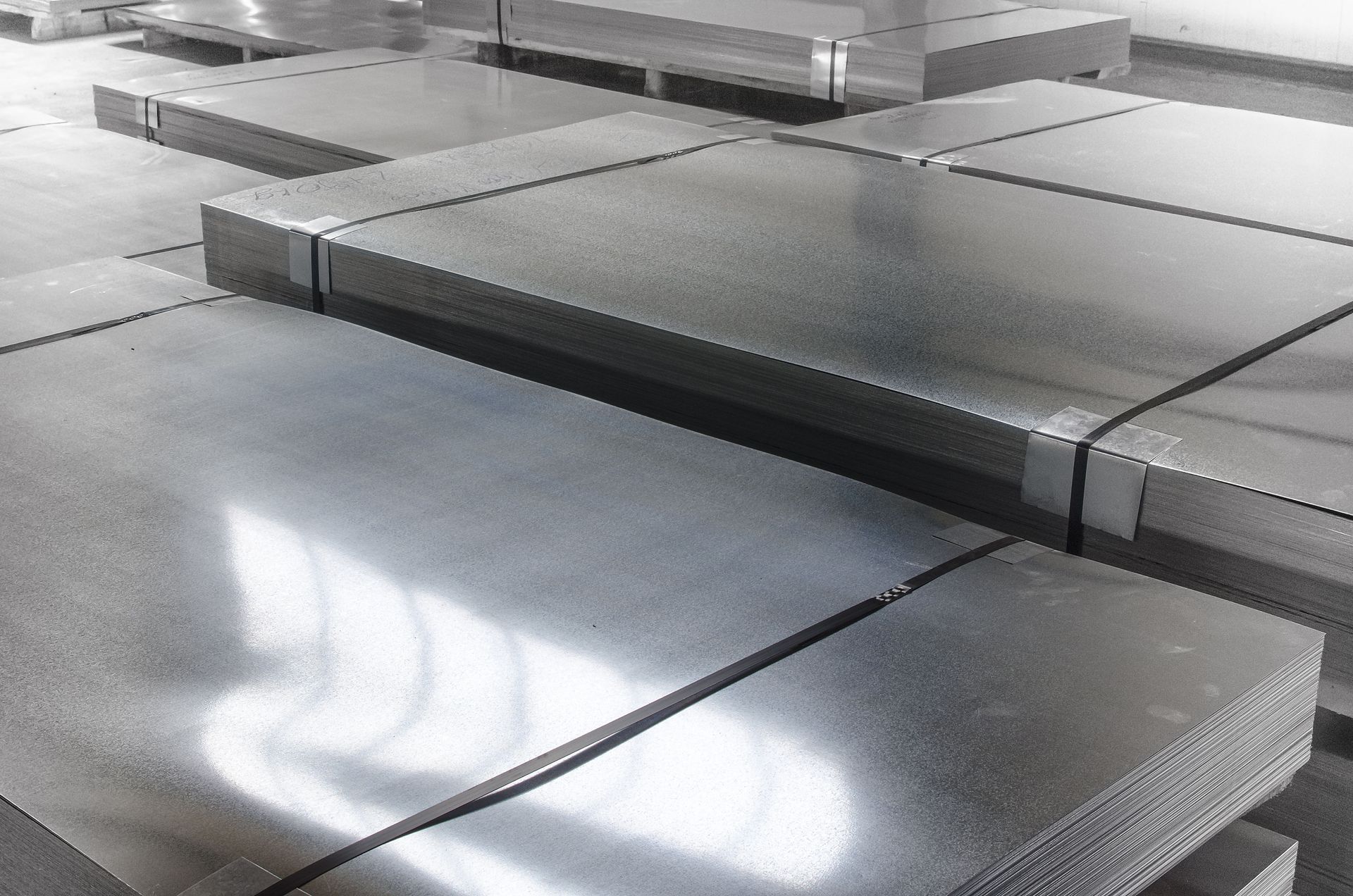
Even with the rapid rise of modern technology, foundational techniques remain highly relevant across the fabrication industry. Methods such as sawing, shearing, and grinding have stood the test of time due to their reliability. Sawing involves drawing a blade with specialized teeth through the material, which is ideal for separating large pieces of stock into manageable sizes before further processing. Shearing operates similarly to scissors, applying immense pressure to slice through sheet materials without creating chips or burning edges. Grinding uses an abrasive wheel to remove very fine amounts of material, resulting in exceptionally smooth finishes and tight tolerances. These traditional approaches are often the first step in a broader metal cutting workflow, preparing raw materials for intricate shaping later on. Fabricators rely on these methods when dealing with extremely thick materials or when initial rough shapes are required quickly. While they lack the computer-driven precision of modern machinery, their utility in everyday tasks cannot be overstated. The tools used for these processes have seen continuous improvements, ensuring longevity and better performance.
Utilizing Advanced Laser Technology
When precision and speed are paramount, the industry frequently turns to focused light beams to achieve extraordinary results. Laser systems have revolutionized how complex patterns and intricate geometries are separated from solid sheets. This method works by directing a highly concentrated beam of light onto the material surface, melting, burning, or vaporizing it away entirely. The precision offered by this technology allows for incredibly tight tolerances and completely smooth edges that rarely require any secondary cleanup. Because the process is entirely non-contact, there is no physical wear and tear on a physical tool, which greatly reduces maintenance requirements and operational downtime. Furthermore, advanced laser setups are seamlessly integrated with computer numerical control systems, allowing operators to input complex digital designs that the machine executes flawlessly. This specific form of metal cutting is particularly beneficial for creating highly detailed components used in electronics, medical devices, and custom architectural elements. The focused heat zone is very small, minimizing the risk of warping or heat-induced distortion on the surrounding areas of the workpiece.
Harnessing the Power of Waterjets
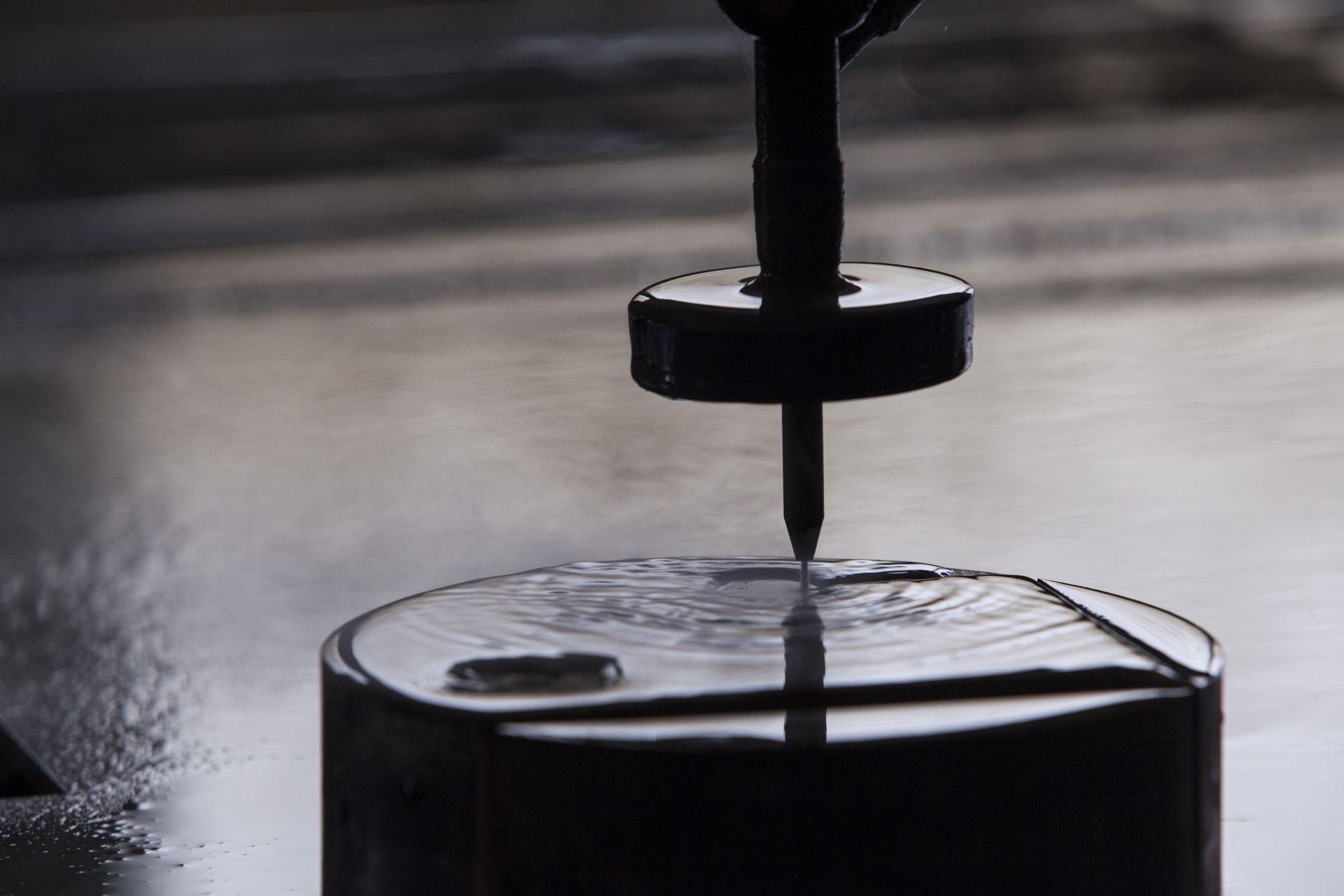
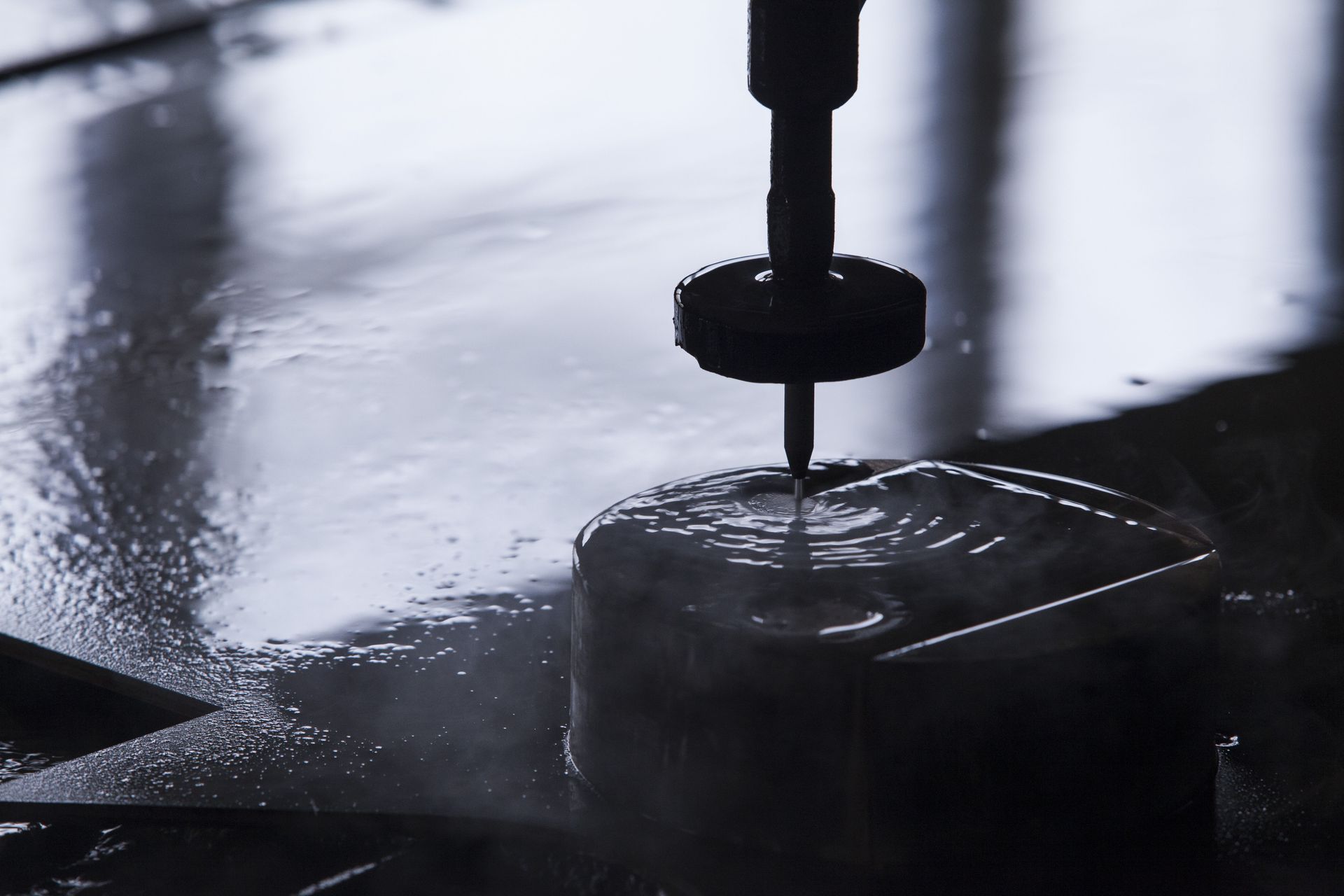
Another highly innovative approach involves using the sheer force of highly pressurized water mixed with abrasive particles. Waterjet systems operate by forcing a stream of water through a tiny opening at immense pressure, accelerating the abrasive material to speeds capable of slicing through incredibly thick and dense materials. One of the most significant advantages of this method is that it is a cold process. Unlike lasers or plasma, waterjets do not introduce any heat into the workpiece, completely eliminating the risk of thermal distortion or changes to the structural integrity of the material. This makes it an ideal choice for processing heat-sensitive alloys intended for aerospace applications. Additionally, this form of metal cutting is incredibly versatile, capable of handling everything from thin sheets to thick blocks of titanium with the exact same tooling. The edges produced by a waterjet are characteristically smooth and free of burrs, saving time on secondary polishing. Furthermore, because the stream is so narrow, the amount of wasted material is kept to an absolute minimum.
Implementing Plasma Solutions
For operations requiring a balance between speed, power, and cost-effectiveness, plasma technology provides an excellent solution. This process utilizes an electrically conductive gas to transfer energy from a power supply to any conductive material, resulting in a cleaner, faster process than traditional oxy-fuel methods. As the gas is forced through a narrow nozzle, an electric arc ionizes it, creating a plasma stream that effortlessly melts through the workpiece while simultaneously blowing away the molten material. Plasma systems are highly regarded for their ability to process thick plates quickly, making them a staple in heavy equipment manufacturing and structural fabrication. While it may not achieve the microscopic precision of a laser, the speed makes it incredibly valuable for large-scale production runs where rapid turnaround is necessary. This specific metal cutting approach is highly adaptable to both handheld manual torches and automated computer-controlled tables. Recent advancements in high-definition technology have significantly improved edge quality, making it a robust choice for heavy-duty components.
Choosing the Right Equipment
With such a diverse array of technologies available, selecting the most appropriate method for a specific project requires careful consideration of several variables. Fabricators must analyze the material type, thickness, required tolerances, and the overall volume of the production run. For instance, a project demanding intricate internal cutouts on thin sheet material would naturally gravitate towards laser technology. Conversely, a structural engineering task involving massive steel beams would likely be better served by a heavy-duty plasma system or traditional sawing methods. The financial aspect also plays a crucial role, as the initial investment and ongoing operational costs vary significantly between different systems. Waterjet machines, while offering unparalleled versatility and heat-free results, often carry higher maintenance costs due to the abrasive materials used. The skill level of the operators must be considered, as advanced machinery requires specialized training. Ultimately, successful metal cutting relies on matching the unique requirements of the design with the inherent strengths of the chosen machinery to deliver superior results.
The manufacturing landscape is defined by continuous innovation and the relentless pursuit of perfection. From the steadfast reliability of traditional manual tools to the breathtaking capabilities of lasers and waterjets, the methods available to fabricators are more diverse and effective than ever before. These advancements not only improve the speed and safety of the manufacturing process but also open up entirely new possibilities for complex architectural designs and precision engineering. Navigating this complex world of fabrication requires deep expertise and a commitment to utilizing the most appropriate technology for every unique project. When businesses partner with experienced professionals, they ensure that their raw materials are transformed with the utmost care, efficiency, and exactness. Whether a project requires the high-speed processing of plasma or the heat-free finesse of a pressurized water stream, relying on seasoned experts guarantees a superior final product. Achieving these exacting standards is the hallmark of dedicated professionals who understand the intricate details of metal cutting. If you are looking for exceptional quality and tailored fabrication solutions for your next project, call S & T Precision Cutting today to learn more.
Share On: